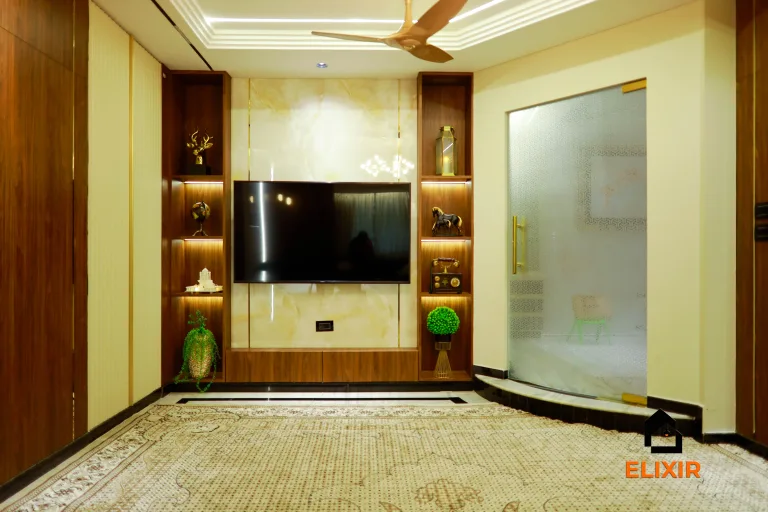
Co-living homes
Shared entry Acoustic Design for Co-living homes
Find the noise source and its route through the space. Treat sound leaking between rooms differently from echo inside one room.
Explore the ideas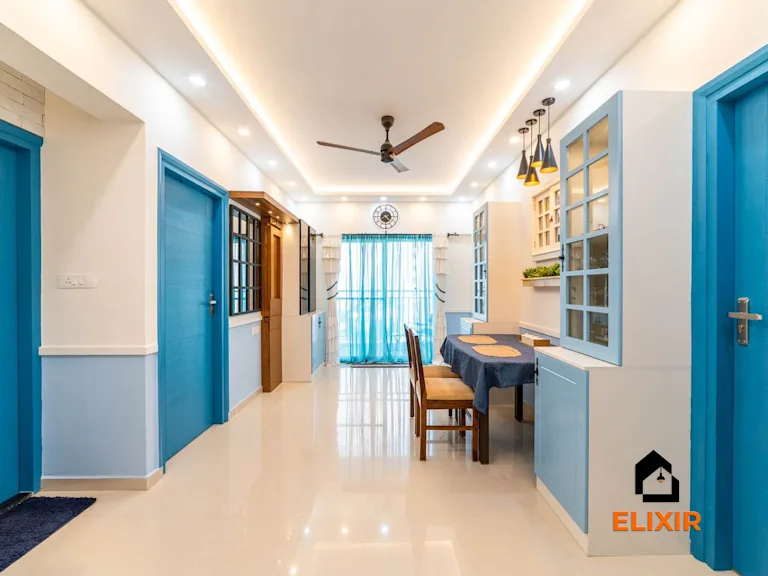
Plan in this order
- List sources of speech, equipment and impact noise at the busiest time.
- Put quiet work away from busy edges where possible. Check doors, gaps and service penetrations before adding finishes.
- Use absorption for excessive echo. Ask an acoustic specialist where speech privacy or isolation is essential.
Worked example
A hard-finished foyer amplifies door closings and makes conversations audible in the adjacent lounge.
Add absorption at the ceiling or on a wall away from the door, then improve the door’s soft-close behavior. Recreate an ordinary arrival and listen from the lounge seating.
How to test it
Recreate the noisier activity and listen from adjoining seats and rooms with doors both open and closed.
Apply it to this space
- Layout
- Keep a wide central path and place individual hooks and shoe bays along one wall.
- Detail
- Use durable flooring, clear wayfinding and a parcel shelf visible from the entrance.
- Trade-off
- More personal cubbies reduce clutter but can make the entry feel institutional.
- Test arrival with several people
- Check parcel and emergency route clearance
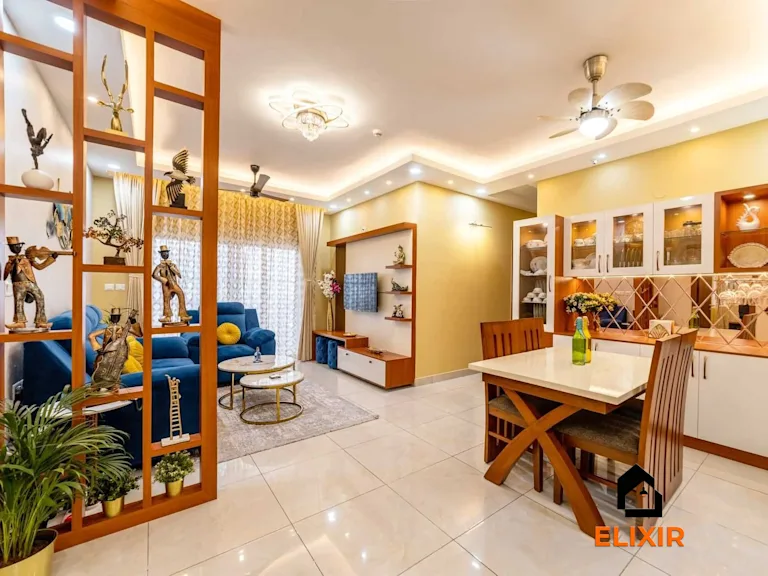
The Elixir portfolio
Details worth a closer look