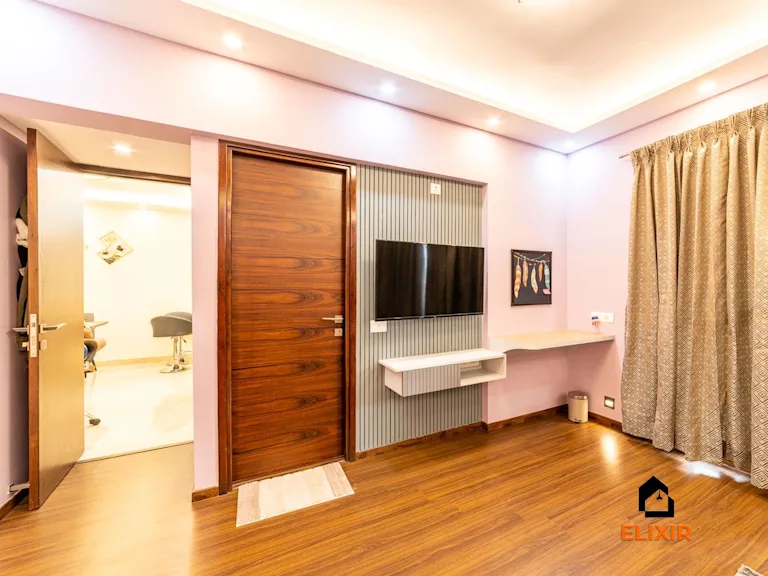
Senior living homes
Hobby space Services and Power Planning for Senior living homes
Locate the equipment first, then coordinate outlets, switches and maintenance access with the relevant trades.
Explore the ideas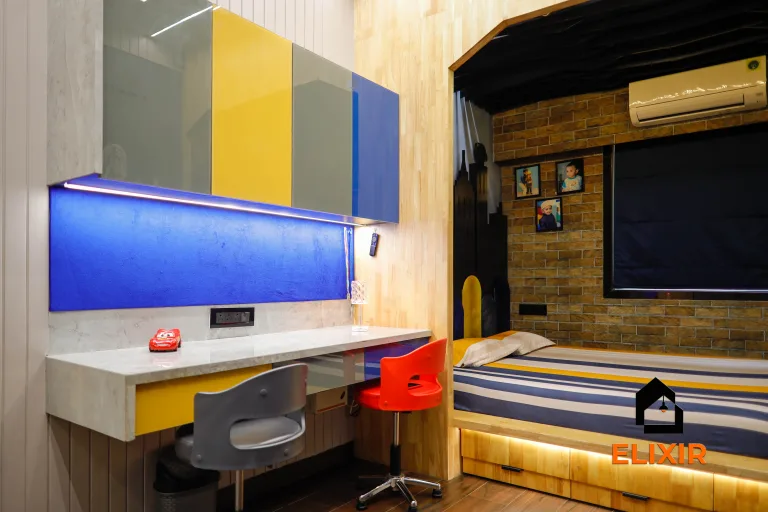
Walkthrough checklist
- Make a schedule of fixed and portable equipment and note where each will actually be used.
- Overlay service routes and outlets on the furniture drawings before approving joinery.
- Keep shutoffs and frequently serviced connections reachable and have the relevant specialist verify the provision.
Worked example
Imagine a learner using a laptop, desk lamp and tablet charger, with outlets currently behind a bookcase and cords crossing the chair area.
Draw the desk and shelf positions first, then locate connections beside the equipment's normal parking spots. Keep cords away from feet and moving chairs, and have a qualified electrician review any outlet changes.
How to test it
Check locations against the final furniture and appliance drawings before walls or cabinets are closed.
Apply it to this space
- Layout
- Place the activity surface near diffuse daylight with storage on the dominant-hand side.
- Detail
- Add adjustable task lighting and shallow drawers labeled by activity.
- Trade-off
- A dedicated hobby room improves setup but may reduce flexible household space.
- Test task visibility at typical times
- Check reach to tools and storage
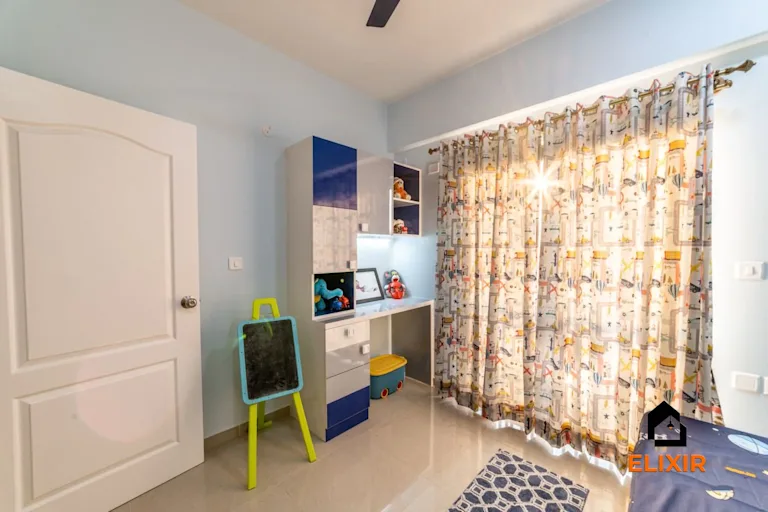
The Elixir portfolio
Details worth a closer look