Offices
Focus Rooms Work Document Storage for Offices
Keep active documents close while separating confidential, archived and household material.
Explore the ideas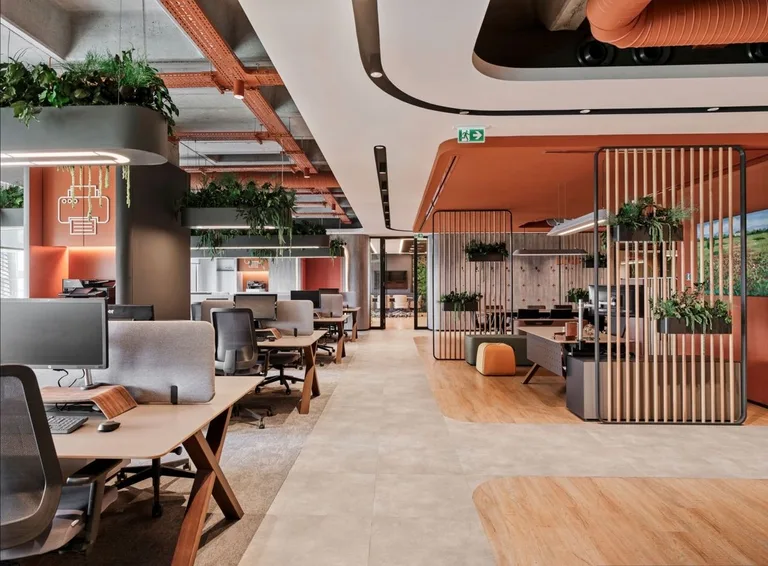
Walkthrough checklist
- Sort paper and supplies by frequency and sensitivity.
- Place active files within reach and archive material away from the work surface.
- Check that storage can be locked where the work requires it.
Worked example
Imagine a counselor who keeps confidential paper files alongside ordinary stationery in a shared home office.
Give sensitive files a dedicated lockable location and keep active notes in a separate work tray. Confirm the arrangement fits the professional's handling practices and the household's privacy needs.
How to test it
Run a start and end of day desk reset using the planned storage.
Apply it to this space
- Layout
- Place focus rooms at the quiet edge of the floor and keep their doors away from the main meeting-room queue.
- Detail
- Choose an acoustic door seal, a small work surface, and controllable light; provide a visible occupancy cue.
- Trade-off
- More enclosed rooms reduce the flexibility of open team space.
- Listen from the corridor during a call
- Check ventilation and task-light reach
The Elixir portfolio
Details worth a closer look