Schools
Cafeteria Acoustic Design for Schools
Find the noise source and its route through the space. Treat sound leaking between rooms differently from echo inside one room.
Explore the ideas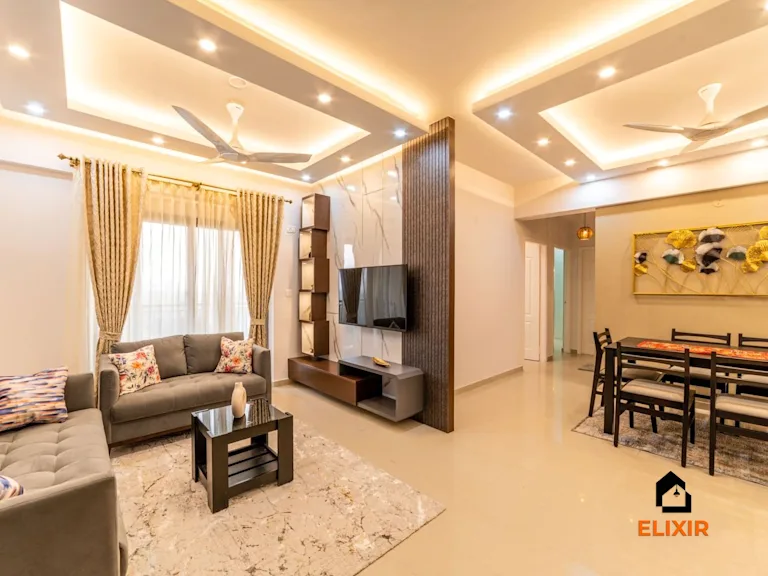
Plan in this order
- List sources of speech, equipment and impact noise at the busiest time.
- Put quiet work away from busy edges where possible. Check doors, gaps and service penetrations before adding finishes.
- Use absorption for excessive echo. Ask an acoustic specialist where speech privacy or isolation is essential.
Worked example
An open dining and living area becomes difficult to talk in when several people are eating and the television is on.
Treat the room’s echo with soft furnishings and ceiling absorption, then place the television away from reflective glazing. Listen from the dining seats during a realistic simultaneous-use trial.
How to test it
Recreate the noisier activity and listen from adjoining seats and rooms with doors both open and closed.
Apply it to this space
- Layout
- Place queue, serving, seating, and tray return in a one-way sequence with separate entry and exit movement where possible.
- Detail
- Choose easy-clean tables and floors, with light that makes food and labels clear without glare.
- Trade-off
- A single queue is easier to supervise but can become slow at busy transitions.
- Simulate the queue with a full class group
- Check tray return does not cross incoming diners
The Elixir portfolio
Details worth a closer look